

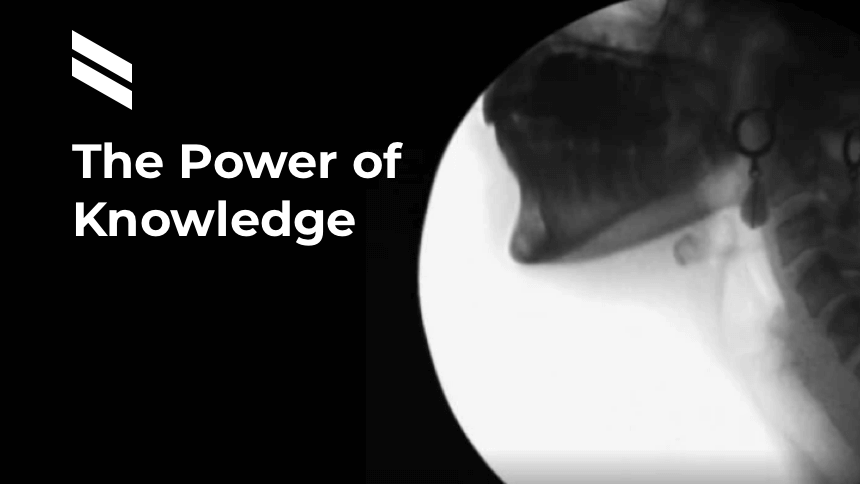
Hi, I’m Janie! As SLPs, we face challenges on a daily basis. Let’s work together to face those challenges by sharing resources, research, and problem solving.
2025

Cheers to Three Years!
Janie shares her favorite issues from three years of “Life of Janie, SLP”, and asks for your help!
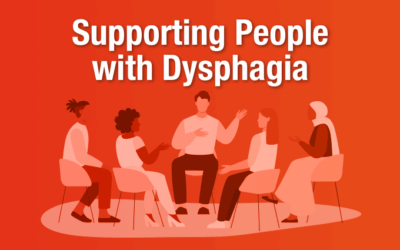
Supporting People with Dysphagia
Find out more about dysphagia support groups—where they are, how they work, and how to start one!

Strengthening the SLP-registered dietician collab
Explore resources on the impact of diet texture modification and why you might want to include a Registered Dietician consult in your plan of care.

Janie’s Good Reads
Informative, interesting and insightful posts from a selection of our favorite sources, including the dysphagia café, the dysphagia expert, swallowstudy.com, and more…

Clinical practice and research methods: best friends or worlds apart?
As SLPs, there are many reasons to be proficient at interpreting research, including knowing how to collect clinical data in our own practices.
VARIBAR (barium sulfate) ABCs and FAQs
What is the carb content of VARIBAR products? Are they gluten-free? Kosher? Is there a work-around if our distributor says VARIBAR products are on backorder? And more…

A Critical Eye for the Clinician to Apply
New interventions in swallowing are popping up everwhere, but how do you know they are really evidence-based?
Contribute to Swallowing and Dyphagia Research!
If you use the MBSImP and TIMS, make sure you are submitting your scores to the database!

As an SLP, Learning Never Stops
“They way we have always done it” is NOT how we should be approaching dysphagia assessment and intervention.

Radiation Safety
How does the MBSS measure up in radiation exposure to you and your patient?

A New Year, A New Look at Healthcare Equity
If your plan of care isn’t accessible to your patient, it’s not a plan of care.
2024
Filling in the gaps in your swallowing knowledge!
Have you checked out GAP education yet??

Person-Centered Caring
Resources to support putting the patient at the front (and heart) of our practices.

Do You See What I See (On That MBSS)?
Sharpen your MBSS skills with these tools!
2-4-6-8 How Do We AD-VO-CATE?
Having trouble getting what you need? Check out these resources for tips!

A New Resource in Swallowing Education!
TIMS University has entered the (continuing education) chat!
Have you read the updated ACR Practice Parameters for the MBSS?
The American College of Radiology has updated the Practice Parameters on the MBSS—standardization is recommended!

Ready to read more research? Check out this resource!
The Informed SLP does the hard work for you, find out more here!
Do you have SLP Goals for 2024?
Find out what Janie’s goals are in dysphagia work…and think about your own!
2023

Resources for continuing education
A nice list of quick and affordable sources for continuing education in swallowing.
The foundation and future of dysphagia management
A brief history lesson…and what it means for the future of our field.
The ACR-SPR Practice Parameter for Modified Barium Swallow Study (MBSS)
The most recent practice parameters for the MBSS from the American College of Radiology? Summary—standardization.
Feed your mind at Dysphagia Cafe!
A rich resource in dysphagia education!

Capturing MBSS images in fluoro: How fast is fast enough?
What is the difference between pulse rate and frame rate? And why are they so important to know?
Assessing pediatric swallowing
Pediatric SLPs! Check out this podcast and a brand new assessment tool!
It’s Dysphagia Awareness Month
In support of the National Foundation of Swallowing Disorders…and the resources they offer.

Happy National Speech Language Pathologist Day!!
Do you know the SLP origin story??
The Radiologist-SLP relationship—Can we create a collaboration or is it just a matter of luck?
Tips and tricks to improve your collaboration in fluoro

Getting to know the Dysphagia Outreach Project
A resource for patients and their caregivers

Real-life experiences, advice, and information
Meet Janie here!!
Sign up and join the conversation!
Every month Janie shares ideas and insights to help you solve the challenges you face as an SLP!
Contact Us - Life of Janie
How can we help you? Our experts are here to answer your questions.
"*" indicates required fields

INDICATIONS AND USAGE | IMPORTANT SAFETY INFORMATION
VARIBAR® (barium sulfate)
IMPORTANT SAFETY INFORMATION:
For Oral Administration. This product should not be used in patients with known or suspected perforation of the GI tract, known obstruction of the GI tract, high risk of aspiration, or hypersensitivity to barium sulfate products. Rarely, severe allergic reactions of anaphylactoid nature have been reported following administration of barium sulfate contrast agents. Aspiration may occur during the modified barium swallow examination, monitor the patient for aspiration.
INDICATIONS AND USAGE | IMPORTANT SAFETY INFORMATION
VARIBAR® (barium sulfate)
INDICATIONS
VARIBAR® THIN HONEY (barium sulfate) oral suspension, VARIBAR® NECTAR (barium sulfate) oral suspension, and VARIBAR® THIN LIQUID (barium sulfate) oral suspension are radiographic contrast agents indicated for use in modified barium swallow examinations to evaluate the oral and pharyngeal function and morphology in adult and pediatric patients.
VARIBAR® HONEY (barium sulfate) oral suspension and VARIBAR® PUDDING (barium sulfate) oral paste are radiographic contrast agents indicated for use in modified barium swallow examinations to evaluate the oral and pharyngeal function and morphology in adult and pediatric patients 6 months of age and older.
IMPORTANT SAFETY INFORMATION
CONTRAINDICATIONS
These products should not be used in patients with known or suspected perforation of the gastrointestinal (GI) tract; known obstruction of the GI tract; high risk of GI perforation such as those with a recent GI perforation, acute GI hemorrhage or ischemia, toxic megacolon, severe ileus, post GI surgery or biopsy, acute GI injury or burn, or recent radiotherapy to the pelvis; high risk of aspiration such as those with known or suspected tracheo-esophageal fistula or obtundation; known severe hypersensitivity to barium sulfate or any of the excipients of the product used.
WARNINGS AND PRECAUTIONS
Hypersensitivity Reactions
Barium sulfate preparations contain a number of excipients, including natural and artificial flavors, and may induce serious hypersensitivity reactions. The manifestations include hypotension, bronchospasm and other respiratory impairments, and dermal reactions including rashes, urticaria, and itching. A history of bronchial asthma, atopy, food allergies, or a previous reaction to a contrast agent may increase the risk for hypersensitivity reactions. Emergency equipment and trained personnel should be immediately available for treatment of a hypersensitivity reaction.
Intra-abdominal Barium Leakage
The use of VARIBAR PRODUCTS is contraindicated in patients at high risk of perforation of the GI tract. Administration of VARIBAR PRODUCTS may result in leakage of barium from the GI tract in the presence of conditions such as carcinomas, GI fistula, inflammatory bowel disease, gastric or duodenal ulcer, appendicitis, or diverticulitis, and in patients with a severe stenosis at any level of the GI tract, especially if it is distal to the stomach. The barium leakage has been associated with peritonitis and granuloma formation.
Delayed Gastrointestinal Transit and Obstruction
Orally administered barium sulfate may accumulate proximal to a constricting lesion of the colon, causing obstruction or impaction with development of baroliths (inspissated barium associated with feces) and may lead to abdominal pain, appendicitis, bowel obstruction, or rarely perforation. Patients with the following conditions are at higher risk for developing obstruction or baroliths: severe stenosis at any level of the GI tract, impaired GI motility, electrolyte imbalance, dehydration, on a low residue diet, taking medications that delay GI motility, constipation, pediatric patients with cystic fibrosis or Hirschsprung disease, and the elderly. To reduce the risk of delayed GI transit and obstruction, patients should maintain adequate hydration after the barium sulfate procedure. When administering VARIBAR PUDDING, consider the administration of laxatives.
Aspiration Pneumonitis
The use of VARIBAR PRODUCTS is contraindicated in patients with trachea-esophageal fistula. Oral administration of barium is associated with aspiration pneumonitis, especially in patients with a history of food aspiration or with compromised swallowing mechanism. Vomiting following oral administration of barium sulfate may lead to aspiration pneumonitis. In patients at risk for aspiration, begin the procedure with a small ingested volume of VARIBAR PRODUCTS. Monitor the patient closely for aspiration, discontinue administration of VARIBAR PRODUCTS if aspiration is suspected, and monitor for development of aspiration pneumonitis.
Systemic Embolization
Barium sulfate products may occasionally intravasate into the venous drainage of the GI tract and enter the circulation as a "barium embolus" leading to potentially fatal complications which include systemic and pulmonary embolism, disseminated intravascular coagulation, septicemia and prolonged severe hypotension. Although this complication is exceedingly uncommon after oral administration of a barium sulfate suspension, monitor patients for potential intravasation when administering barium sulfate.
ADVERSE REACTIONS
The most common adverse reactions are nausea, vomiting, diarrhea, and abdominal cramping. Serious adverse reactions and fatalities include aspiration pneumonitis, barium sulfate impaction, intestinal perforation with consequent peritonitis and granuloma formation, vasovagal and syncopal episodes.
You are encouraged to report negative side effects of prescription drugs to the FDA. Visit www.fda.gov/medwatch or call 1-800-FDA-1088.
Please click here for full Prescribing Information for VARIBAR® THIN LIQUID (barium sulfate) oral suspension.
Please click here for full Prescribing Information for VARIBAR® THIN HONEY (barium sulfate) oral suspension.
Please click here for full Prescribing Information for VARIBAR® NECTAR (barium sulfate) oral suspension.
Please click here for full Prescribing Information for VARIBAR® HONEY (barium sulfate) oral suspension.
Please click here for full Prescribing Information for VARIBAR® PUDDING (barium sulfate) oral paste.
VARIBAR is manufactured by E-Z-EM Canada Inc., for E-Z-EM, Inc., a subsidiary of Bracco Diagnostics Inc., Princeton, NJ 08540.
VARIBAR is a registered trademark of E-Z-EM, Inc.